We've Been Where You Are
Navigating the world of digital nomad visas is confusing. The rules change without warning, official government websites are often unclear, and the information scattered across forums and blogs is rarely up to date. We know this firsthand, because we lived it.
Nomad Visa Help was born out of our own frustration trying to figure out where we could legally live and work remotely. Between us, we’ve sat with stacks of paperwork in embassy waiting rooms, refreshed government portals hoping for answers, and made expensive mistakes that better information could have prevented.
At some point, we stopped complaining about the lack of a reliable resource and decided to build one.
What We Do
We research, verify, and translate the complex world of digital nomad and remote work visas into plain English.
Every guide on this site is written to answer the questions we wished someone had answered for us:
- Who qualifies?
- What does it actually cost?
- How long does it take?
- What are the real catches?
We cover visa requirements, eligibility criteria, application processes, income thresholds, tax implications, and the on-the-ground realities that official sources leave out.
And unlike a lot of what you’ll find online, we keep our content updated because a visa guide from two years ago can send you in entirely the wrong direction.
Everything we publish is free. No paywalls, no sign-up required.
Who We Are
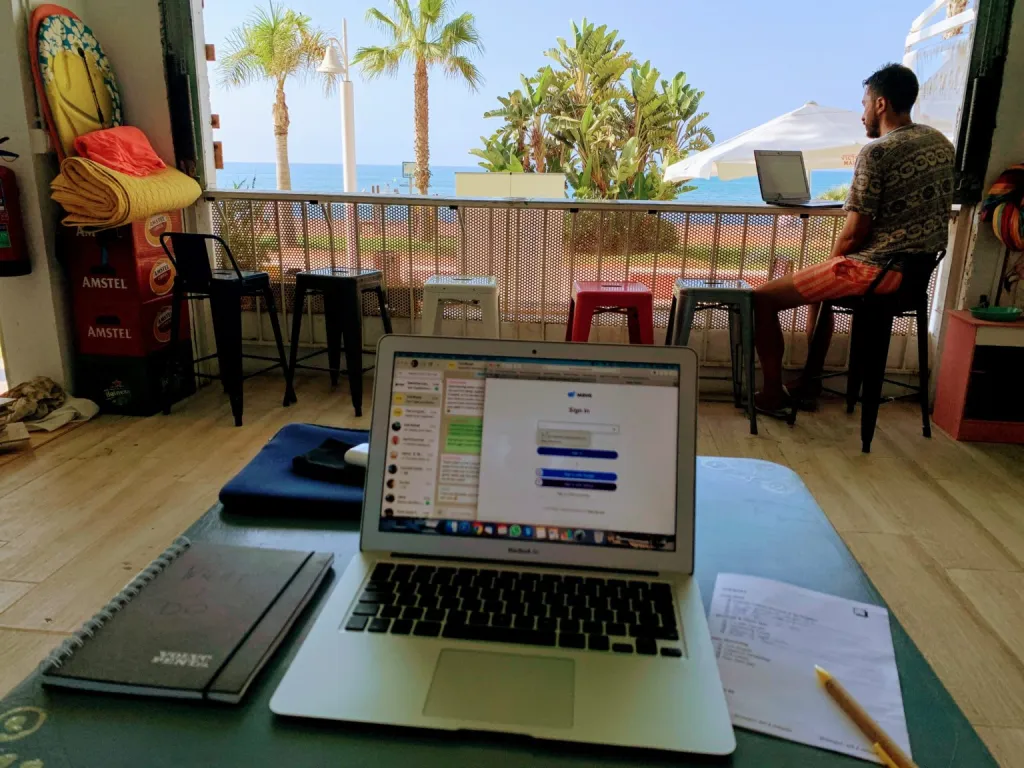
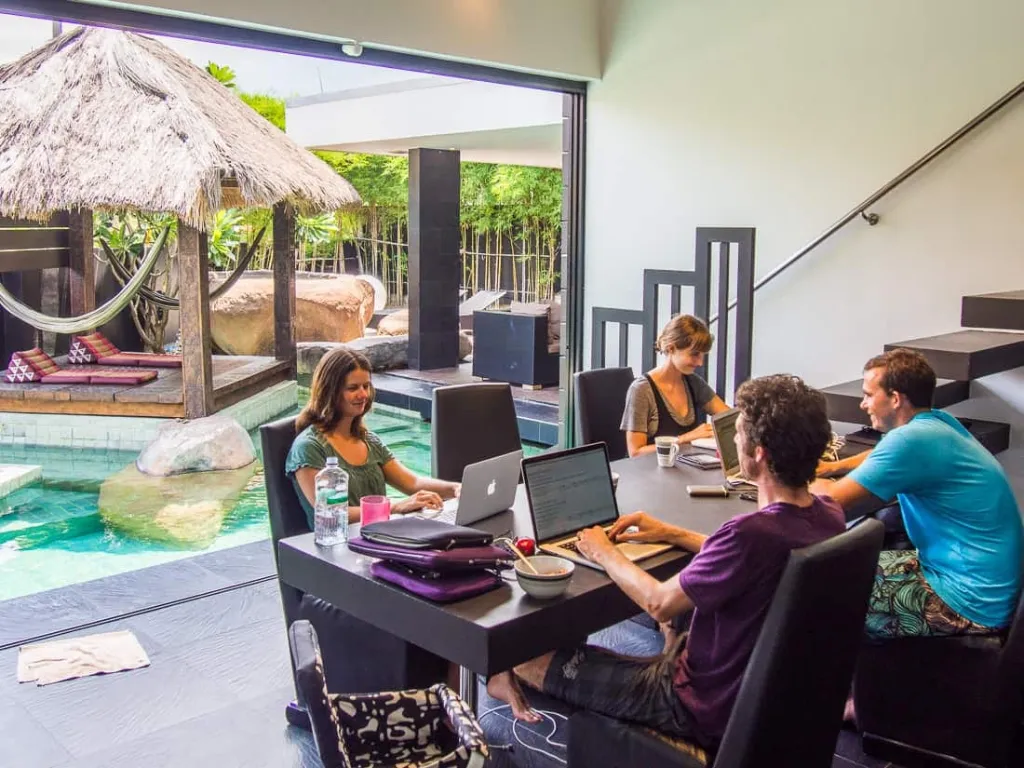
We’re a small team of remote workers and travel enthusiasts who have collectively lived and worked across multiple continents. We’re not immigration lawyers and we’re always clear about that but we bring real experience, careful research, and a genuine commitment to getting the details right.
We built Nomad Visa Help because the resource we needed didn’t exist. We’re glad it does now, and we hope it saves you the headaches it would have saved us.
A Note on Accuracy
Visa rules change. We do our best to keep every page current, but we always recommend verifying critical details with the relevant embassy or a qualified immigration professional before making decisions. Think of us as your starting point, a way to walk into that research already informed.