Discover the World with a Digital Nomad Visa
Digital Nomad Visa is your gateway to living and working remotely in some of the most exciting destinations worldwide.
In the times where remote work is new normal, you need nomad visa help to unlock the passport that gets you everywhere.
This dynamic of digital nomad visa allows professionals like you to blend adventure with productivity. Whether you’re eyeing the sunny shores of Spain with the digital nomad visa Spain, the historic charm of the Italy digital nomad visa, or the vibrant culture under the Portugal digital nomad visa, we’ve got you covered.
Explore digital nomad visa countries that are embracing this lifestyle, and learn how to make your nomadic dreams a reality.
As of 2026, over 50 countries offer specialized visas for remote workers, reflecting a global shift toward flexible living. This homepage dives into trends, benefits, application processes, and more to help you navigate this exciting opportunity.
Emerging Trends in Digital Nomad Visas for 2026
The digital nomad work dynamic is booming. The projection from last five years shows the industry will boom until 2040.
Countries are becoming forth coming towards the setup and introducing the visa for the country. Some countries are even introducing digital nomad villages to ensure digital nomads feel welcomed and are entertained in best way possible.
As of now, Madeira (Portugal), Bansko (Bulgaria), Canggu (Indonesia), Las Palmas (Spain), Lagos (Portugal), and Chiang Mai (Thailand) are some of the top digital nomad villages.
Nations are realizing the economic boost that comes with digital nomads. They live in a country, spend on food, housing, travel, and tourism for the duration of their stay.


Key Changes:
Europe and Beyond: the continent is leading with 19 countries and counting that have worked on their visa policies to accommodate Digital Nomads. Bulgaria and Moldova just joined the league with Spain, Portugal, Croatia, Italy, Greece, Malta, Estonia, Iceland, Norway and many other.
Asia and America are also joining the ranks. Recently India and Srilanka, Malaysia, Taiwan, South Korea, and UAE relaxed their policies.
Sustainability and Compliance: to ensure the position is not exploited, many countries have introduced high income thresholds and taxes to manage the overpopulation and ensure digital nomads are contributing to the economy positively.
Hybrid Visa Converts to Long Term Prospects: many European countries offer pathways that facilitate digital nomads in yearly renewals upto five years and more. Furthermore, digital nomads become eligible to apply for permanent residency if they choose to stay back in the country.
These trends signal 2026 as the year of remote work freedom, with more countries like South Africa and Albania finalizing programs.
Countries Embracing the Digital Nomad Dynamic
There is a large and growing list of digital nomad visa countries that are rolling out red carpets for remote workers.
From Europe’s cultural gems to Asia’s affordable paradises, here’s a spotlight on top destinations turning to this model.
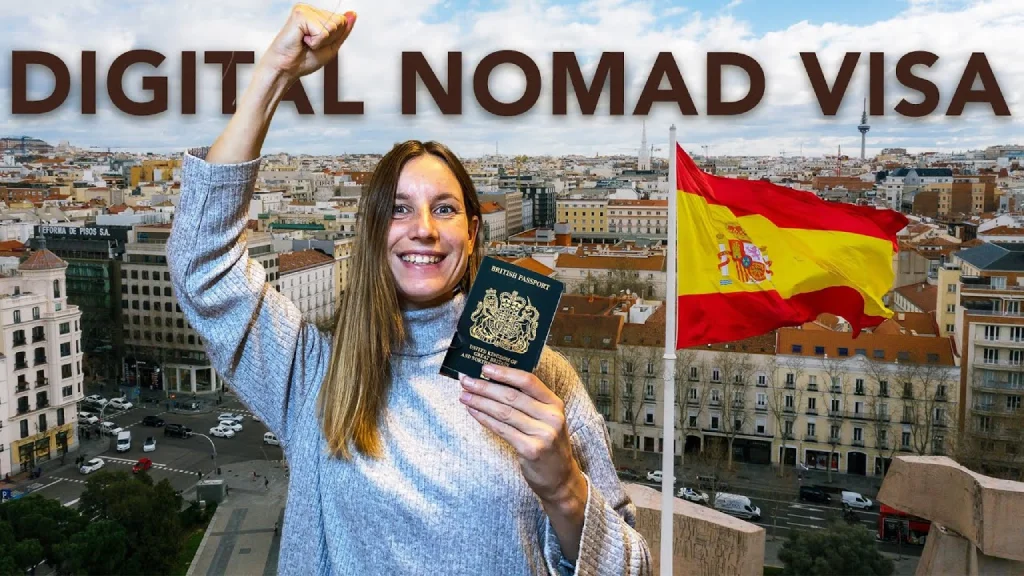
Spain (Digital Nomad Visa Spain)
Launched under the Startup Act, Spain’s visa attracts with its Mediterranean lifestyle and preferential tax regime. Digital nomads are more inclined to opt for Spain due to their relaxed policies. For visa, requirements include €2,850 monthly income, renewable up to five years. Cities like Barcelona and Madrid buzz with nomad communities.

Italy (Italy Digital Nomad Visa)
Italy’s 2024-launched visa targets highly skilled workers, requiring €28,000 annual income and six months’ experience. Enjoy Tuscany’s vineyards or Rome’s history while working remotely.

Portugal (Portugal Digital Nomad Visa)
The D8 visa, with €3,680 monthly income threshold, offers Schengen access and a path to citizenship after five years. Lisbon and Porto are hotspots for nomads seeking affordable, sunny living.

Other Notables
These nations recognize nomads as economic boosters, injecting funds without straining local jobs.
Benefits of Obtaining a Digital Nomad Visa
Why pursue a digital nomad visa? The perks extend far beyond extended stays.
Legal Security and Peace of Mind
Unlike tourist visas, these allow legal remote work, avoiding fines or deportations.
Cultural Immersion and Work-Life Balance
Live like a local, exploring hidden gems while maintaining productivity. Countries like Denmark and Norway top work-life balance lists.
Tax Advantages
Family Inclusion and Networking
Economic and Health Perks
Overall, these visas foster global mobility, enriching personal and professional growth.
How to Apply for a Digital Nomad Visa
Securing a digital nomad visa involves straightforward steps, though requirements vary.
- 1. Research Eligibility: Check income thresholds (e.g., €2,760 in Spain, €28,000 in Italy). Prove remote work via contracts or client lists.
- 2. Gather Documents: Valid passport, proof of income (bank statements, payslips), health insurance (€30,000 minimum coverage), clean criminal record, and accommodation proof.
- 3. Submit Application: Apply via embassies or online portals. Fees range €75-200; processing takes 2-8 weeks.
- 4. Post-Approval: Obtain residence permits upon arrival; renew as needed.
- 5. Tips: Use services for complex apps; ensure funds cover dependents (e.g., +75% for spouses in Spain).
Start with popular digital nomad visa countries for smoother processes.

Challenges and Considerations
While it is a rewarding lifestyle, the nomad life has its set of downsides. Tax complexities arise from residency rules. You can also navigate it by consulting expert lawyers to avoid liabilities.
Moreover, loneliness, unstable Wi-Fi, and cultural adaptation can become quite a challenge. Then, you cannot overlook the overpopulation in hubs like Bali and Chang Mai. It may lead to resentment or higher costs.
Frequently Asked Questions
What is a digital nomad visa?
A digital nomad visa is a temporary permit allowing remote workers to live and work legally in a foreign country, typically for 6-12 months, extendable. It differs from tourist visas by permitting employment for non-local entities.
Who is eligible for a digital nomad visa?
Eligibility requires non-EU/EEA citizenship (for EU programs), remote work proof, minimum income (e.g., €2,850 in Spain), health insurance, and a clean record. Highly skilled professionals often qualify, with family inclusion possible.
Which country is best for a digital nomad visa?
Spain tops rankings for its low-income threshold, tax benefits, and quality of life. Portugal and Malta follow for EU access and English-speaking environments. Best varies by preferences: Costa Rica for nature, Thailand for affordability.
Is the digital nomad visa 15% tax in Spain?
No, it’s 24% flat tax on Spanish-sourced income up to €600,000 for non-residents under Beckham Law, not 15%.
What is the 12-month digital nomad visa?
Many visas, like Italy’s and Portugal’s, last 12 months initially, but you can renew or apply for an extension. It allows one-year stays for remote work, with options like Brazil’s extendable to 24 months.
What is the cheapest country for digital nomads?
Vietnam (e.g., Ho Chi Minh City) offers costs from $800-1,200/month. Other bargains: Guatemala, Ecuador, and Sri Lanka with low rents and food prices.
What are the disadvantages of a digital nomad visa?
Drawbacks include tax headaches, loneliness, unstable internet, cultural barriers, and potential overpopulation leading to local resentment or higher costs.
Which country has the longest digital nomad visa?
Thailand offers up to 10 years with its Long-Term Residence Visa. Norway’s up to two years; many extend to five like Spain and Portugal.
How much money do I need for a digital nomad visa?
It varies from region to region. For instance, €2,850/month in Spain, €3,680 in Portugal, €28,000/year in Italy. Include savings (e.g., €11,040 in Portugal) and fees (€75-200).
Are you ready to embark on your digital nomad visa journey?
Explore more about digital nomad visa Spain, Italy digital nomad visa, Portugal digital nomad visa, and other digital nomad visa countries. Live freely, work globally!